Senior engineers · since 2023
Digital product design
Figma design systems, user flows and prototypes, two-week sprints alongside your team or ours.
01 — What we build
Built for production, end to end.
Design systems in Figma
We build the system in Figma with real component variants, typography tokens and spacing scales, not just a colour palette. Everything is named and stateful so the same library serves design and engineering.
User flows and prototypes
We map the journeys end to end and turn them into clickable prototypes the team can react to before a line of code is written. It is far cheaper to move a screen in Figma than to rebuild it after the sprint.
Accessibility from the first screen
We design to WCAG AA from the outset: colour contrast that holds up, focus states that exist, and target sizes that work on a phone. Catching it in design beats retrofitting it after the build, and the product is better for everyone.
Usability testing without theatre
We run structured studies in Maze where the question deserves one, and moderated sessions with five users for everything else. The output is a prioritised list of decisions the team can act on this sprint, not a forty-page report.
Tokens the build can consume
We export colour, type and spacing tokens in a form the front end reads directly, mapped to the framework you ship in. Tailwind tokens for Next.js, Liquid CSS scope for Shopify, native primitives for mobile, so translation is deterministic.
Developer hand-off that survives
Hand-off is a written spec with named components, named tokens and named states, plus a documented decision log, not a Figma link to the latest version. The build team knows on day one what is in scope and where engineering judgment is needed.
Product design here is the bridge between an idea and a build that ships, not a Figma file that sits on a shelf. Most engagements run in two-week sprints, either alongside an existing product team or as a standalone phase before engineering starts. The output is a clickable prototype, a design system the build team can actually use, and a documented decision log so the choices survive the handoff.
Design systems that map to the build
Design systems are built in Figma with real component variants, real typography tokens and real spacing scales, not just a colour palette and good intentions. The system maps to the front-end framework the engineering team will ship in, Tailwind tokens for Next.js builds, Liquid CSS scope for Shopify, native UI primitives for mobile, so the translation from design to code is deterministic rather than an interpretation exercise.
Accessibility built in, not audited later
Accessibility is a design decision, not a compliance pass at the end. We design to WCAG AA from the first screen: colour contrast that holds up, focus states that exist, target sizes that work on a phone, and a content structure that makes sense to a screen reader. Catching it in design is far cheaper than retrofitting it after the build, and it makes the product better for everyone, not only users with a diagnosed need.
Research without theatre
Usability testing runs on Maze where the question is sharp enough to deserve a structured study. For everything else, moderated sessions with five users are still the fastest way to learn what doesn't work. The output isn't a 40-page report, it's a prioritised list of design decisions the team can act on this sprint.
From Figma to a living system
A design system is only useful if it survives contact with engineering. We export design tokens (colour, type, spacing) in a form the front-end can consume directly, and where the team maintains a component library we document it in Storybook so design and code share one source of truth. The aim is that "matches the design" becomes verifiable, not a matter of opinion in a review.
Hand-off the engineering team will actually use
Design hand-off is a written spec, named components, named tokens and named states, not a Figma link to "the latest version". The build team should know on day one which screens are out of scope, which states need engineering thought, and where the design has deliberately left room for product judgment.
02 — The right stack
Stack-agnostic, by design.
We're stack-agnostic by design. We pick the right tool for the problem in front of us, then ship it to production properly, not whatever we happened to use last time.
How we select: We weigh the problem, your team's skills, the hiring market and the long-term maintenance cost. The goal is software you can run and grow without us.
FRONTEND
Figma
Figma is where the system lives: component variants, typography tokens and spacing scales as a single source of truth. Real states and named layers make the file something the build team can read, not just admire.
Best for: Design systems, user flows, clickable prototypes, hand-off specs
FRONTEND
React
Most product UIs we design ship as React component libraries, so we design with the component model in mind. Props, variants and states in Figma map cleanly to the components engineering will actually write.
Best for: Component libraries, design-to-code parity, interactive product UI
FRONTEND
Next.js
For production web apps and SaaS, Next.js is the framework the design usually lands in. Designing against its routing and rendering model keeps the prototype honest about what is feasible to build.
Best for: SaaS and web-app product design, prototype-to-production handoff
FRONTEND
Tailwind CSS
We export design tokens as Tailwind theme values so colour, type and spacing translate to code without interpretation. It makes "matches the design" verifiable rather than a matter of opinion in review.
Best for: Token export, design-to-code translation on Next.js builds
FRONTEND
TypeScript
Typed component props let the design system's variants and states carry through to the codebase as contracts, not conventions. When we design and build together, the hand-off spec becomes type-checked rather than documentation alone.
Best for: Typed component libraries, enforcing variants and states in code
03 — Why teams choose us
Senior engineering, clear accountability.
Fixed quote in 48 hours
We scope the work in writing within 48 hours, with price and timeline fixed before anything starts. No open-ended hourly drift.
Direct senior access
You work with the senior engineer who scopes and builds your project — no middle layer.
You own 100% of the code
Code, documentation and infrastructure are handed over at the end. No lock-in, no proprietary black boxes, nothing held hostage.
Reply within 4 hours
In UK business hours you hear back within four hours, and async over Loom for everything else. You always know where things stand.
AI where it earns its place
We use AI to move faster where it helps. A senior engineer decides what actually ships.
Rescue welcome
About a third of our work is inherited projects. We audit first, then fix or rebuild with the trade-offs spelled out plainly.
04 — The process
Agile, collaborative, and completely transparent.
Discovery & scoping
A short, focused kickoff. We learn the problem, agree the scope, and put price and timeline in writing within 48 hours.
UX/UI design
Wireframes then visual design, reviewed with you before a line of production code is written. No surprises later.
Development
Senior engineers build in weekly increments. You get a live preview and a Loom walkthrough every Friday.
QA & testing
We test as we go and again before launch, across devices and the edge cases that actually break things.
Deployment
We ship to production carefully, with monitoring in place and a rollback ready if anything misbehaves.
Post-launch
Code, docs and a handover walkthrough. Then support or a maintenance retainer if you want us close by.
05 — Selected work
Recent work in this space.
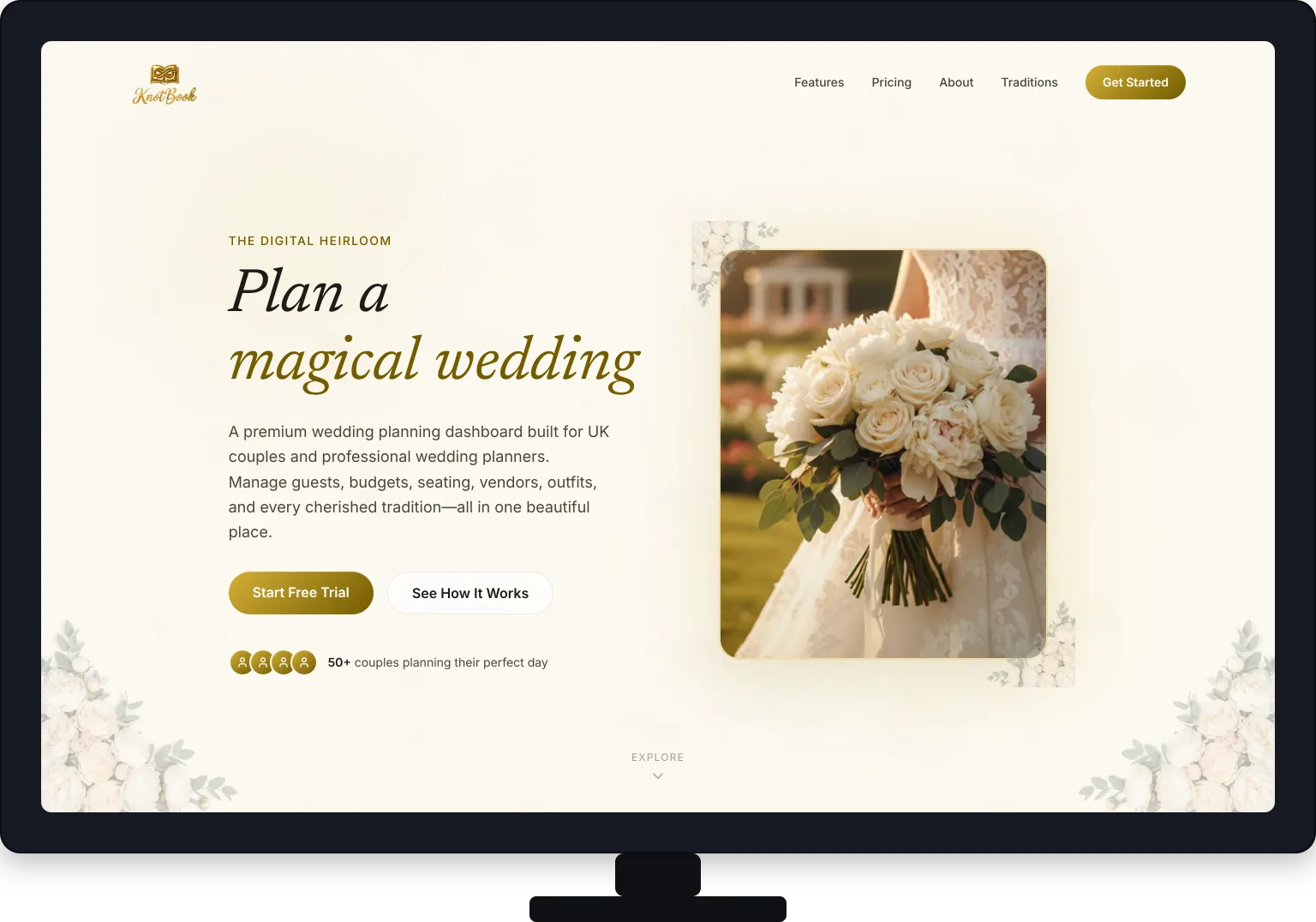
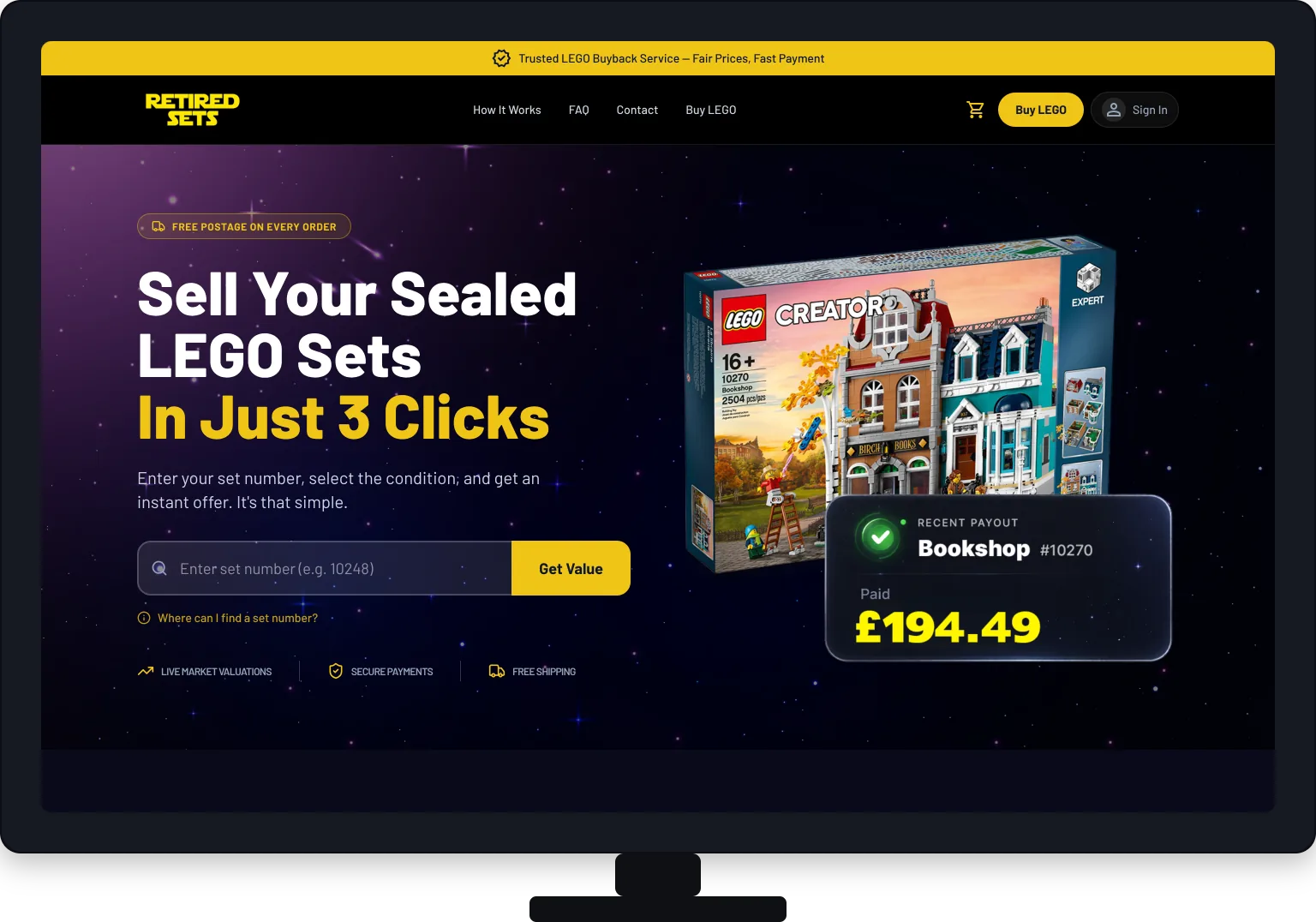
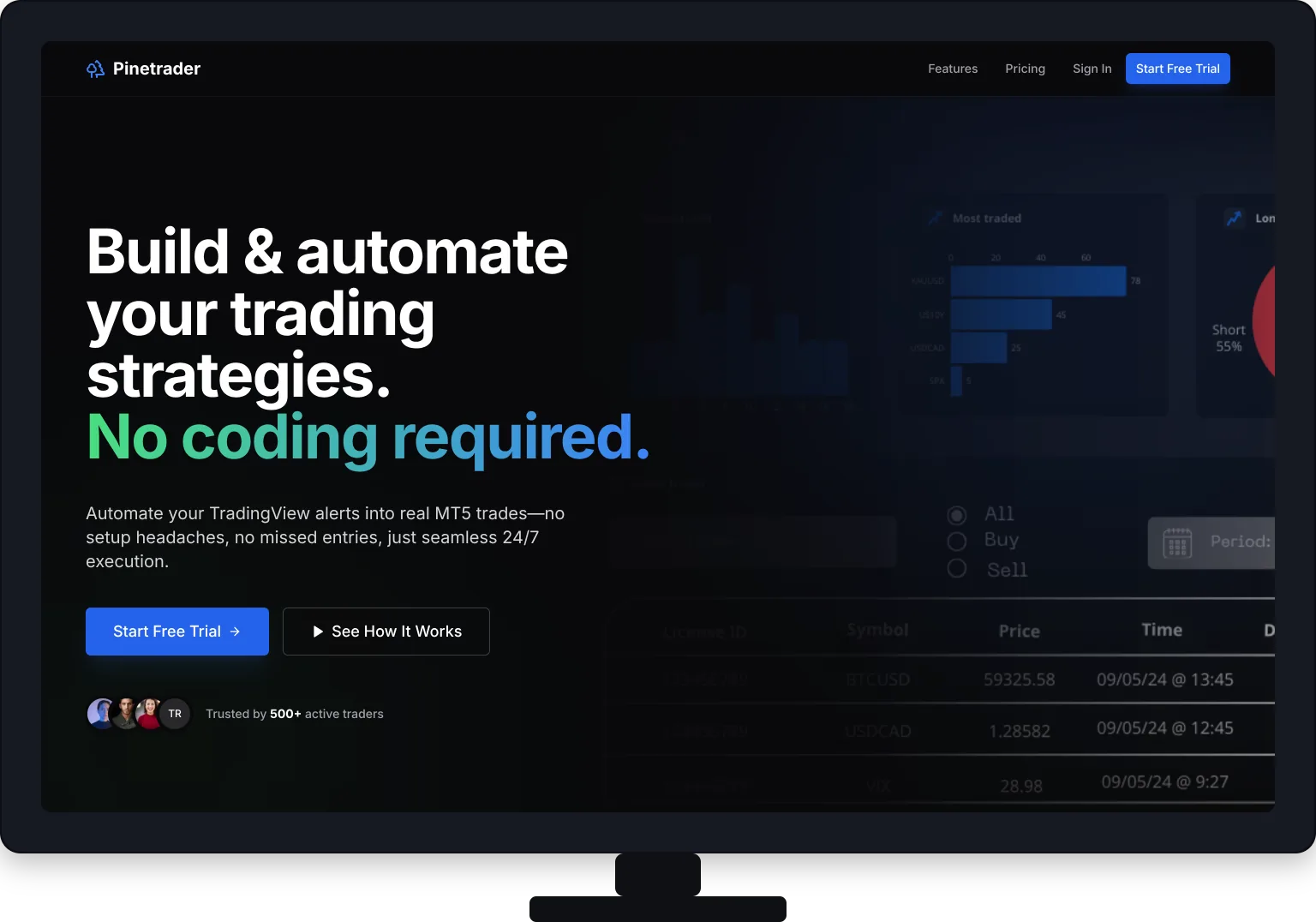
What clients say
“They exceeded my expectations and made my ideas come to reality, with great communication, and helped guide me to make informed decisions as this is all new to me. Highly recommend them, worth every penny!”
06 — FAQ
Common questions.
Do you just deliver Figma files, or something we can build from?
A clickable prototype plus a design system with real tokens and a written hand-off spec, named components, tokens and states, not a link to 'the latest version'.
Do you work alongside our existing product team?
Yes, sprints run with your team or ours, whichever fits.
Is accessibility included?
Yes. We design to WCAG AA from the first screen, colour contrast, focus states, target sizes and a structure that makes sense to a screen reader.
Can you also build what you design?
Yes, under our build services, so the design maps cleanly to the framework it ships in.
RELATED SERVICES
07, START A PROJECT
Got a project in mind?
Tell us what you're building. We reply within 4 hours during UK business hours.