Senior engineers · since 2023
Digital strategy consulting
A two-week strategy sprint for founders unsure where to invest next, roadmap, audit and a prioritised plan.
01 — What we build
Built for production, end to end.
Current-state audit
We audit your product, channels and stack as they stand today, not as the org chart imagines them. The audit names what is actually broken so the rest of the sprint targets the real problem.
Stakeholder interviews
Founders, marketing leads, ops directors and engineers each get a structured 45-minute session in week one, transcribed and synthesised into the audit. The fastest way to find what is broken is to ask the people who live with it.
Build-vs-buy decisions
Because we build across WordPress, Shopify, React and AI, we give a straight answer on which platform fits, including when the honest call is to buy off-the-shelf and not build. You get a decision matrix you can defend to a board.
Prioritised roadmap
We turn the audit into a roadmap mapped to your team's actual capacity and runway, not a wish list. Each item is tied to an outcome so you can see which lever to pull first.
Stack and platform recommendation
We map the realistic options for your problem and spell out the trade-offs in cost, speed and lock-in. The recommendation is vendor-neutral, naming the stack that survives your next two years rather than one we happen to like.
An executable plan you own
The output is a written plan sized to your team, with the assumptions named so you can revisit them when the market moves. About half of clients take it and execute internally, which is the sign the work was done right.
A digital strategy sprint is a two-week engagement for founders and marketing teams who know something needs to change but aren't sure which lever to pull first. The sprint produces four named outputs: an audit of the current product, channels and stack; a stack and platform recommendation with the trade-offs spelled out; a prioritised roadmap mapped to your team's actual capacity; and a build-vs-buy decision matrix for the next twelve months of spend.
Stack and platform decisions, vendor-neutral
Because we build across WordPress, Shopify, React and Next.js, mobile and AI, we can give you a straight answer on which one fits, including when the answer is "buy the off-the-shelf tool and don't build anything". A strategy engagement maps the realistic options for your problem, the trade-offs in cost, speed and lock-in, and a build-vs-buy call you can defend to a board. We're not selling you a framework we happen to like; we're naming the one that survives your next two years.
The output is a written plan, not a slide deck
The point isn't a deck that gets presented once and filed. It's a written plan you can execute without us, sized to your team and your runway, with the assumptions named so you can revisit them when the market moves. About half of strategy clients go on to build with us; the other half take the plan and execute internally, which is a sign we did the work right.
Stakeholder interviews by default
Founders, marketing leads, ops directors and engineering team members all get a structured 45-minute session in week one, transcribed and synthesised into the audit. The fastest way to find what's actually broken is to ask the people who live with it.
Where this fits
A strategy sprint is the right call before a major rebuild, after a funding round, when channels have stopped scaling, or when a team is running multiple disconnected initiatives and isn't sure which to double down on. It's not the right call when the problem is execution on a clear plan, in that case the sprint isn't the missing piece.
02 — The right stack
Stack-agnostic, by design.
We're stack-agnostic by design. We pick the right tool for the problem in front of us, then ship it to production properly, not whatever we happened to use last time.
How we select: We weigh the problem, your team's skills, the hiring market and the long-term maintenance cost. The goal is software you can run and grow without us.
FRONTEND
Next.js
When a roadmap calls for a custom build, Next.js is our default for marketing sites, dashboards and SaaS front ends. It keeps options open across static, server-rendered and hybrid delivery, which matters when the strategy has to survive growth.
Best for: Custom web apps, SaaS front ends, marketing sites flagged for rebuild
FRONTEND
React
React underpins the interactive product work we recommend when build-vs-buy lands on build. Its size as an ecosystem means hiring and long-term maintenance stay realistic for your team after we hand the plan over.
Best for: Interactive product UI, internal tools, component-driven roadmaps
BACKEND
Python
Python is our reach-for language when a roadmap involves data work, automation or AI integration. It lets us prototype a recommended direction quickly before committing budget to a full build.
Best for: Data pipelines, automation, AI and integration prototyping
DATABASE
PostgreSQL
When a strategy depends on owning your data rather than renting a platform's, PostgreSQL is the dependable default we recommend. It scales from a sprint prototype to production without forcing a migration later.
Best for: Relational data, reporting foundations, build-it-yourself stacks
INFRASTRUCTURE
Vercel
For roadmaps that include a custom front end, Vercel keeps deployment and hosting simple enough that a small team can run it after we leave. It removes infrastructure as an excuse to delay shipping the plan.
Best for: Hosting recommended Next.js builds, preview-driven delivery
03 — Why teams choose us
Senior engineering, clear accountability.
Fixed quote in 48 hours
We scope the work in writing within 48 hours, with price and timeline fixed before anything starts. No open-ended hourly drift.
Direct senior access
You work with the senior engineer who scopes and builds your project — no middle layer.
You own 100% of the code
Code, documentation and infrastructure are handed over at the end. No lock-in, no proprietary black boxes, nothing held hostage.
Reply within 4 hours
In UK business hours you hear back within four hours, and async over Loom for everything else. You always know where things stand.
AI where it earns its place
We use AI to move faster where it helps. A senior engineer decides what actually ships.
Rescue welcome
About a third of our work is inherited projects. We audit first, then fix or rebuild with the trade-offs spelled out plainly.
04 — The process
Agile, collaborative, and completely transparent.
Discovery & scoping
A short, focused kickoff. We learn the problem, agree the scope, and put price and timeline in writing within 48 hours.
UX/UI design
Wireframes then visual design, reviewed with you before a line of production code is written. No surprises later.
Development
Senior engineers build in weekly increments. You get a live preview and a Loom walkthrough every Friday.
QA & testing
We test as we go and again before launch, across devices and the edge cases that actually break things.
Deployment
We ship to production carefully, with monitoring in place and a rollback ready if anything misbehaves.
Post-launch
Code, docs and a handover walkthrough. Then support or a maintenance retainer if you want us close by.
05 — Selected work
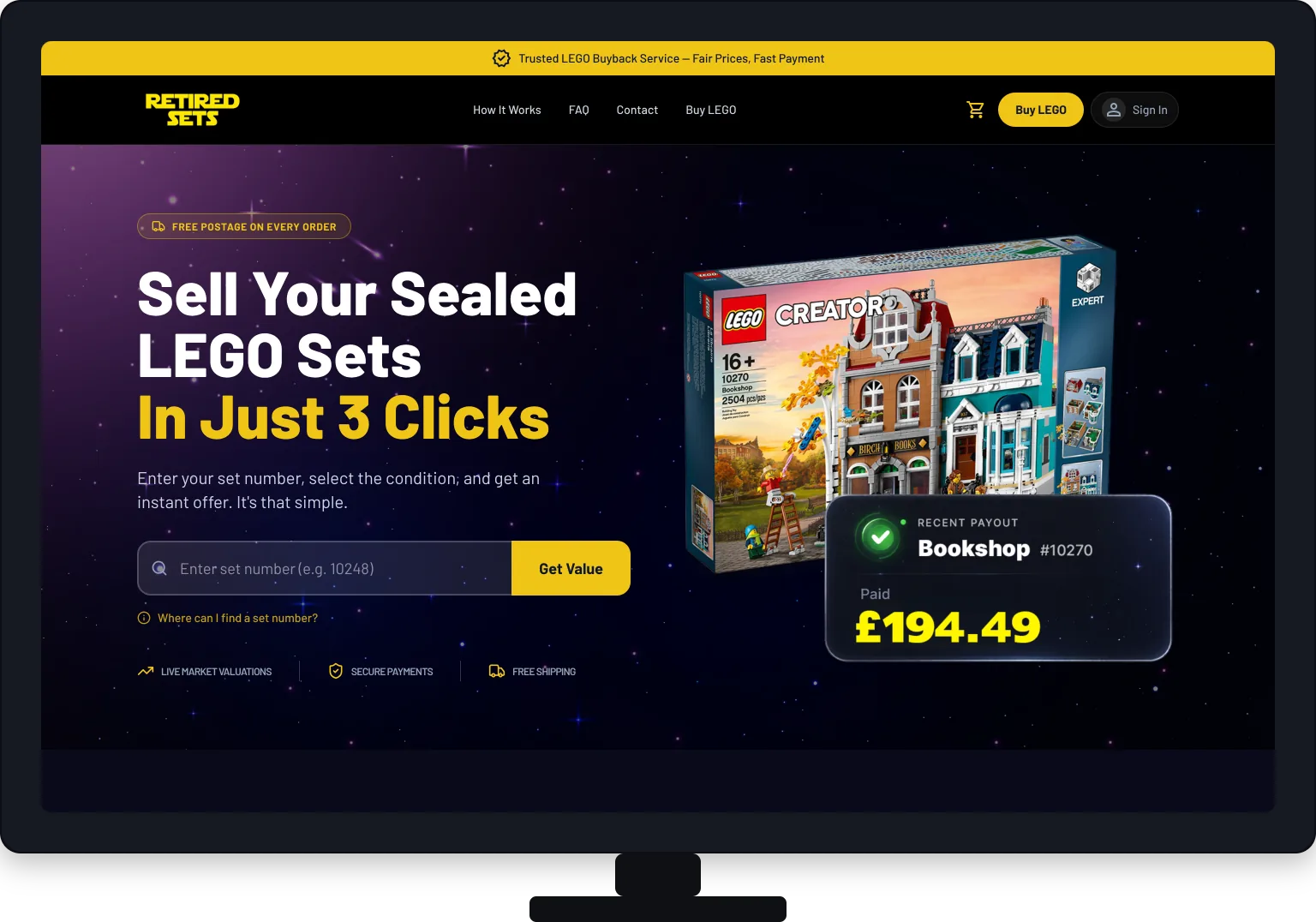
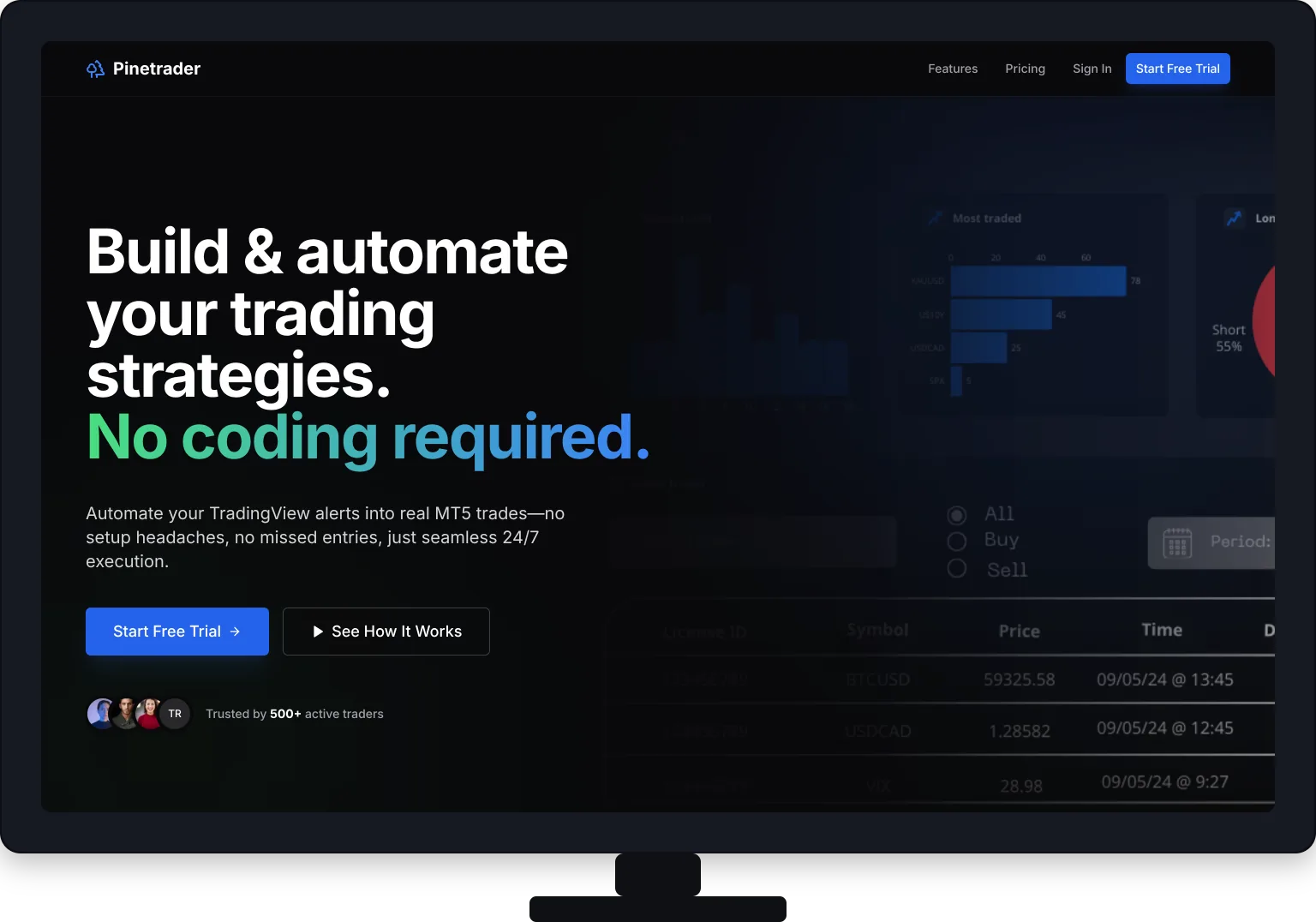
Recent work in this space.

What clients say
“Devonic Web combines deep technical knowledge with strong communication. They listen carefully, understand your needs, and bring their expertise to the table with clarity and confidence.”
06 — FAQ
Common questions.
What do we actually get at the end?
A written, prioritised roadmap you own, an audit, a stack and platform recommendation, and a build-vs-buy matrix. Not a slide deck.
Do we have to build with you afterwards?
No. About half of strategy clients take the plan and execute internally, the plan stands on its own.
How is the sprint run?
Two weeks, with structured stakeholder interviews in week one feeding the audit and roadmap.
Can you tell us whether to build or buy?
Yes, and because we build across WordPress, Shopify, React and AI, we'll say so when the honest answer is to buy an off-the-shelf tool.
RELATED SERVICES
07, START A PROJECT
Got a project in mind?
Tell us what you're building. We reply within 4 hours during UK business hours.