Senior engineers · since 2023
SEO services
Technical SEO, content strategy and link earning, quarterly sprints, weekly check-ins, plain-English reporting.
01 — What we build
Built for production, end to end.
Technical SEO audits
We crawl the site the way a search engine does with Screaming Frog, mapping broken links, redirect chains, duplicate titles, orphaned pages and thin templates. The findings are cross-referenced with Search Console coverage so we fix what actually holds rankings back.
Core Web Vitals fixes
Core Web Vitals are profiled with Lighthouse on the templates that drive the most traffic, not just the homepage. We turn the audit into a prioritised list of speed and stability fixes that move scores in weeks rather than months.
Schema and structured data
Schema markup is validated in Google's own test tools rather than assumed to work, so pages stay eligible for rich results. Clean structured data and clear entities also make content citable by AI answer engines.
Content strategy mapped to intent
Content is planned around real search intent and query clusters, not keyword volume in isolation. Every new page brief names the cluster it targets, the searcher's funnel stage, and the internal links it needs to earn its ranking.
Link earning, not link buying
Authority is built through digital PR, genuinely useful content and a deliberate internal link graph. We avoid private blog networks and paid placements, the bought links that get domains penalised in a Google update.
Plain-English reporting
Monthly summaries name the queries and pages that moved, the regressions we caught, and the next sprint's priorities, written by a human. A live Looker Studio dashboard pulls GA4 and Search Console together for anyone who wants to self-serve.
Technical SEO is the first audit pass on every engagement: Core Web Vitals across the templates that drive traffic, schema markup verified in Google's test tools, sitemap and robots policy that match the indexing strategy, and a redirect map that protects the equity built up over years of organic ranking. Most SEO problems show up in the technical layer first; fixing them there is faster and cheaper than trying to out-content them.
Auditing the whole crawl
Before any content work, we crawl the site the way a search engine does. Screaming Frog maps the full crawl, broken links, redirect chains, duplicate titles, orphaned pages and thin templates, and we cross-reference it with Search Console coverage and, where it matters, server log files to see what Google actually crawls versus what it ignores. Core Web Vitals are profiled with Lighthouse on the templates that drive traffic, and schema is validated in Google's own tools rather than assumed to work. You can't fix what you haven't measured.
Content strategy mapped to intent
Content strategy comes second, mapped to actual search intent rather than keyword volumes in isolation. The brief for any new page names the exact query cluster it targets, the searcher's stage in the funnel, the on-page entities it should reference, and the internal links it needs to earn its ranking. Linking is treated as architecture, not as a post-publish afterthought.
Link earning, not link buying
Link strategy is digital PR plus genuinely useful content plus the internal link graph. We don't run private blog networks, buy guest-post placements on irrelevant sites, or use the link marketplaces that have spent the last decade getting domain names penalised. The patient version of link earning is the only one that holds up to a Google update.
Built for AI search, not just blue links
Search is shifting from ten blue links to AI answers and rich results, and the work that wins there is the same work that wins classic SEO done well: clean structured data, clear entities, and content that genuinely answers the question. We mark content up so it's eligible for rich results and citable by AI answer engines, and we track where a brand is being surfaced, not only where it ranks.
Reporting in plain English
Monthly summaries name the queries that moved, the pages that gained or lost, the technical regressions we caught and fixed, and the prioritised list of next-sprint work. A live Looker Studio dashboard pulls GA4 and Search Console together for anyone who wants to self-serve, but the summary is still written by a human. No vanity dashboards, no jargon, no "the algorithm is volatile" hand-waving.
02 — The right stack
Stack-agnostic, by design.
We're stack-agnostic by design. We pick the right tool for the problem in front of us, then ship it to production properly, not whatever we happened to use last time.
How we select: We weigh the problem, your team's skills, the hiring market and the long-term maintenance cost. The goal is software you can run and grow without us.
INFRASTRUCTURE
Google Analytics 4
GA4 is where we measure the organic sessions, landing pages and conversions that prove SEO work is paying off. We pipe it into the reporting dashboard so traffic gains are tied to the pages and queries that earned them.
Best for: Organic traffic and conversion measurement
INFRASTRUCTURE
Semrush
Semrush backs the keyword and competitor research that shapes content strategy and the query clusters each new page targets. It also surfaces ranking movement and link opportunities so sprints stay focused on what shifts positions.
Best for: Keyword research, rank tracking, competitor analysis
INFRASTRUCTURE
Google Ads
Where SEO needs to compound over months, Google Ads buys visibility on high-intent queries now and feeds real conversion data back into the keyword strategy. We run paid and organic together so they inform rather than cannibalise each other.
Best for: Paid search on high-intent commercial queries
FRONTEND
Next.js
For sites we build, Next.js gives us server rendering, fast Core Web Vitals and clean control over metadata and structured data at the framework level. That makes the technical SEO foundation correct by construction rather than retrofitted.
Best for: Fast, crawlable sites with strong Core Web Vitals
BACKEND
WordPress
Most existing SEO engagements run on WordPress, so we audit and fix it directly: crawl hygiene, schema, internal linking and Core Web Vitals on the live theme. We tune the stack the client already has rather than forcing a rebuild.
Best for: Auditing and optimising existing content sites
03 — Why teams choose us
Senior engineering, clear accountability.
Fixed quote in 48 hours
We scope the work in writing within 48 hours, with price and timeline fixed before anything starts. No open-ended hourly drift.
Direct senior access
You work with the senior engineer who scopes and builds your project — no middle layer.
You own 100% of the code
Code, documentation and infrastructure are handed over at the end. No lock-in, no proprietary black boxes, nothing held hostage.
Reply within 4 hours
In UK business hours you hear back within four hours, and async over Loom for everything else. You always know where things stand.
AI where it earns its place
We use AI to move faster where it helps. A senior engineer decides what actually ships.
Rescue welcome
About a third of our work is inherited projects. We audit first, then fix or rebuild with the trade-offs spelled out plainly.
04 — The process
Agile, collaborative, and completely transparent.
Discovery & scoping
A short, focused kickoff. We learn the problem, agree the scope, and put price and timeline in writing within 48 hours.
UX/UI design
Wireframes then visual design, reviewed with you before a line of production code is written. No surprises later.
Development
Senior engineers build in weekly increments. You get a live preview and a Loom walkthrough every Friday.
QA & testing
We test as we go and again before launch, across devices and the edge cases that actually break things.
Deployment
We ship to production carefully, with monitoring in place and a rollback ready if anything misbehaves.
Post-launch
Code, docs and a handover walkthrough. Then support or a maintenance retainer if you want us close by.
05 — Selected work
Recent work in this space.
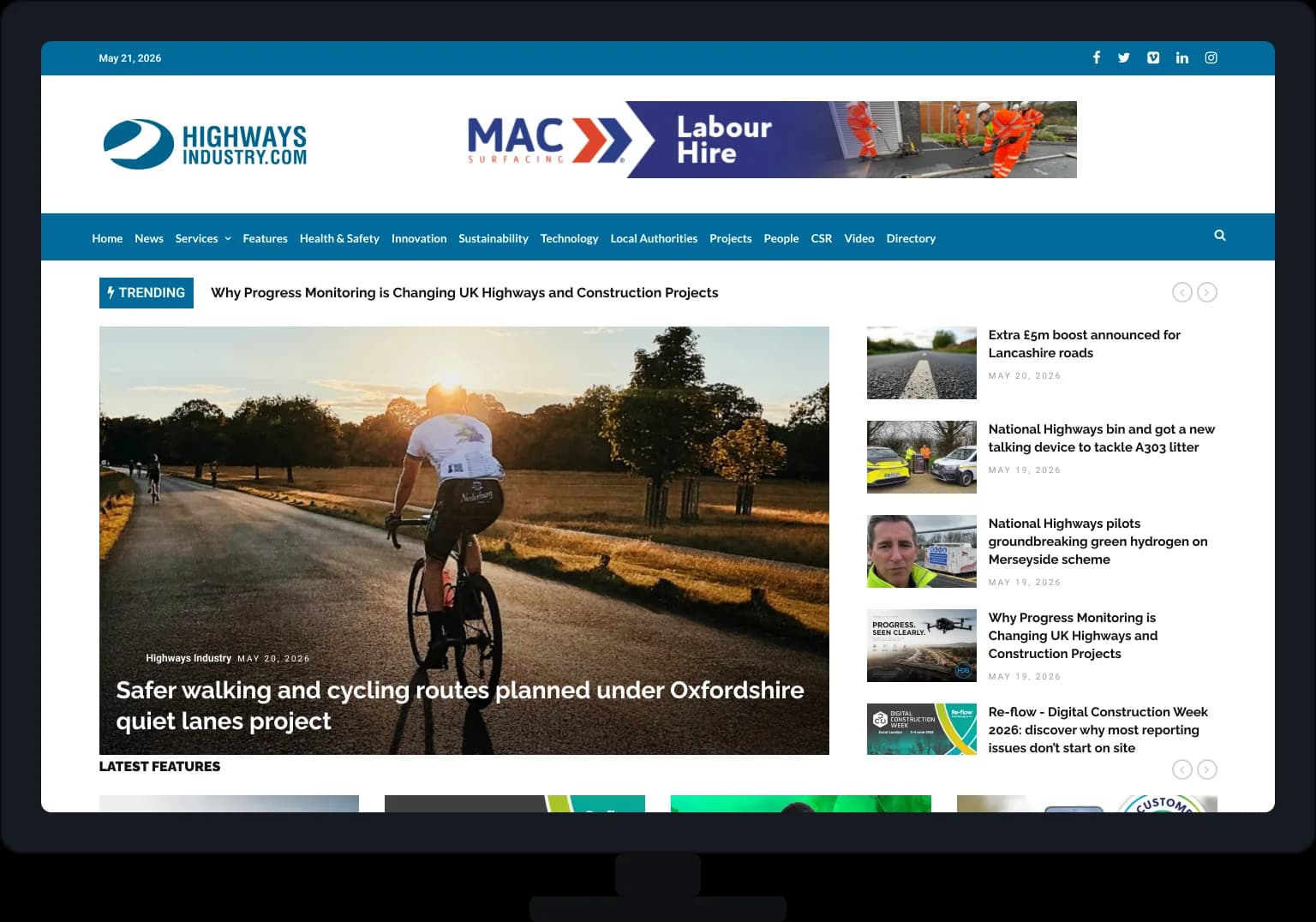
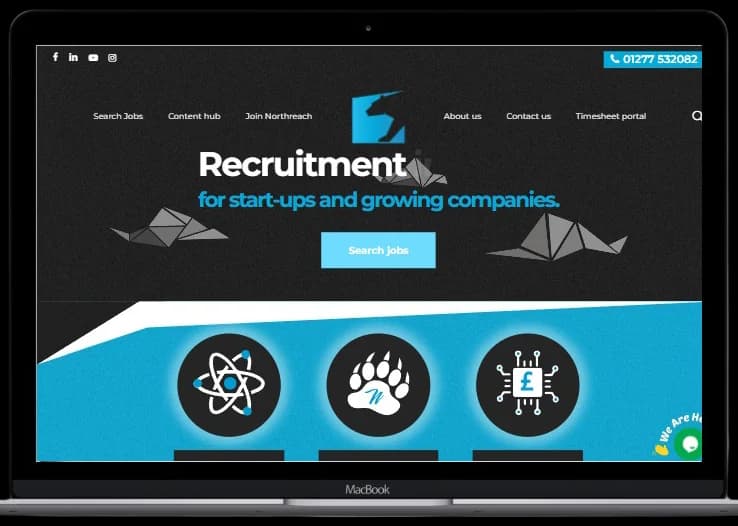
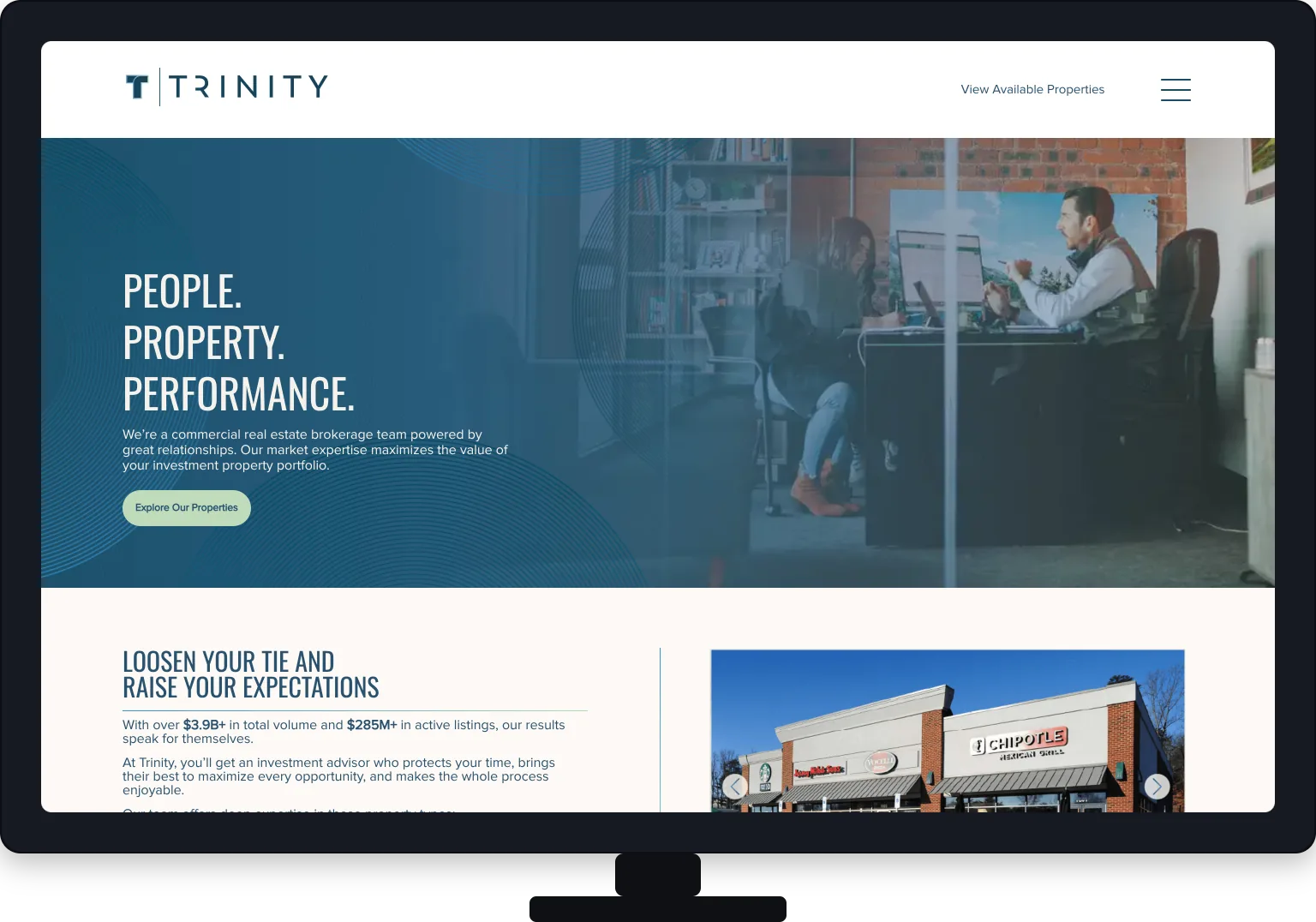
What clients say
“The Devonic Web team was brilliant in handling our WordPress site migration and clean-up. Everything was executed perfectly and communication was spot on throughout the process. Couldn't have asked for a smoother experience.”
06 — FAQ
Common questions.
How is SEO progress reported?
Plain-English monthly summaries naming the queries and pages that moved, plus a live dashboard. No vanity metrics.
How long until SEO results show?
Technical fixes can move things within weeks, content and authority typically take 3-6 months to compound. We set expectations up front.
Do you buy links?
No. Link earning is digital PR, genuinely useful content and internal linking, not the bought placements that get domains penalised.
Is your SEO ready for AI search?
Yes. Clean structured data and clear entities make content eligible for rich results and citable by AI answer engines, and we track where the brand is surfaced, not just where it ranks.
RELATED SERVICES
07, START A PROJECT
Got a project in mind?
Tell us what you're building. We reply within 4 hours during UK business hours.